Carter Plantation History
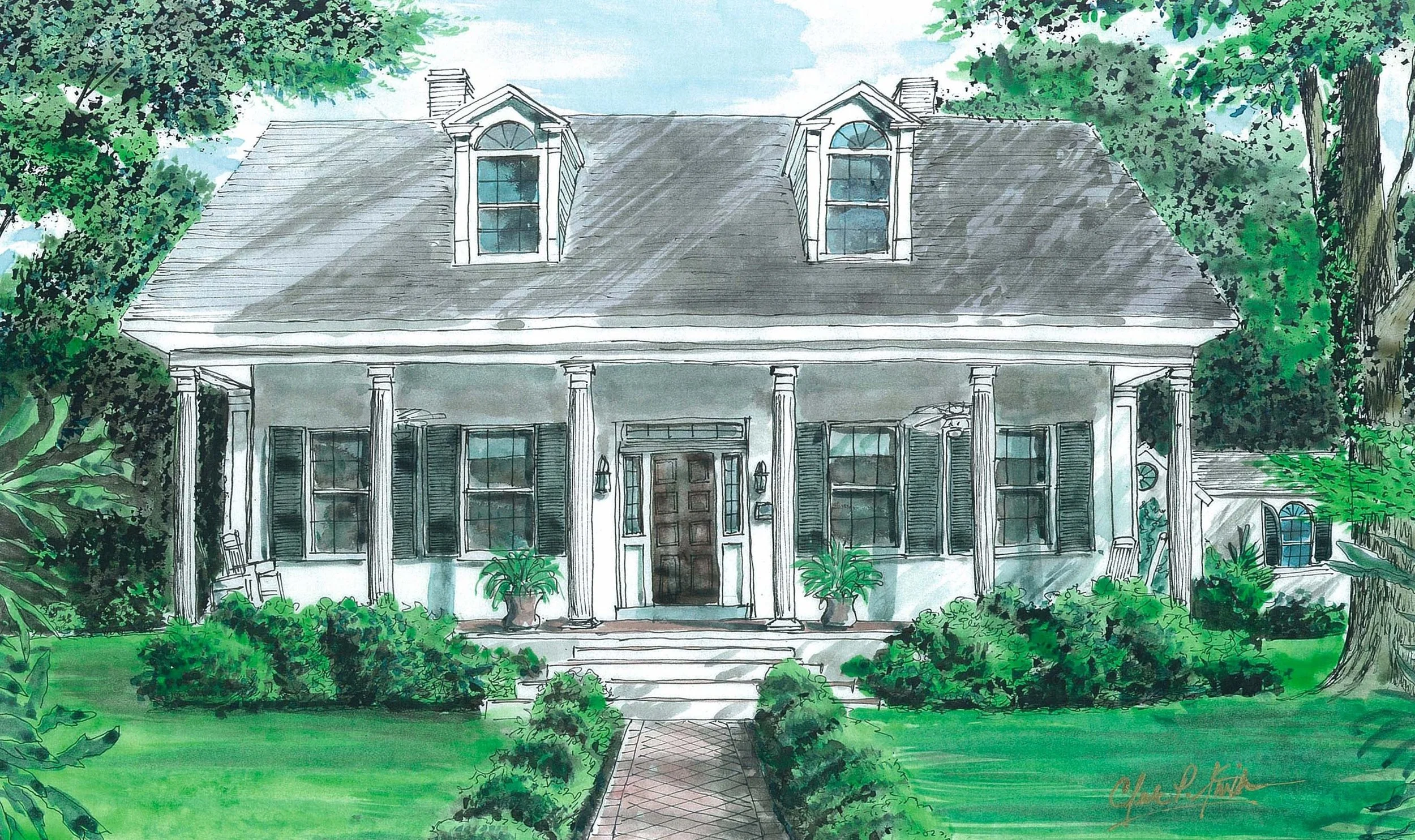
The documented history of Carter Plantation dates back to 1804, when the land was acquired by James Rheams under a Spanish land grant. The property later passed to Thomas Freeman, marking the beginning of the plantation’s most historically significant chapter.
Between 1817 and 1820, Thomas Freeman, a free man of color, constructed what would become known as the Carter Plantation House. This achievement was extraordinary for its time. Freeman was the first Black individual to record a legal land transaction in his own right in the Greensburg District of East Louisiana and the first Black property owner in what is now Livingston Parish, as documented in a commissioner’s report issued in 1820.
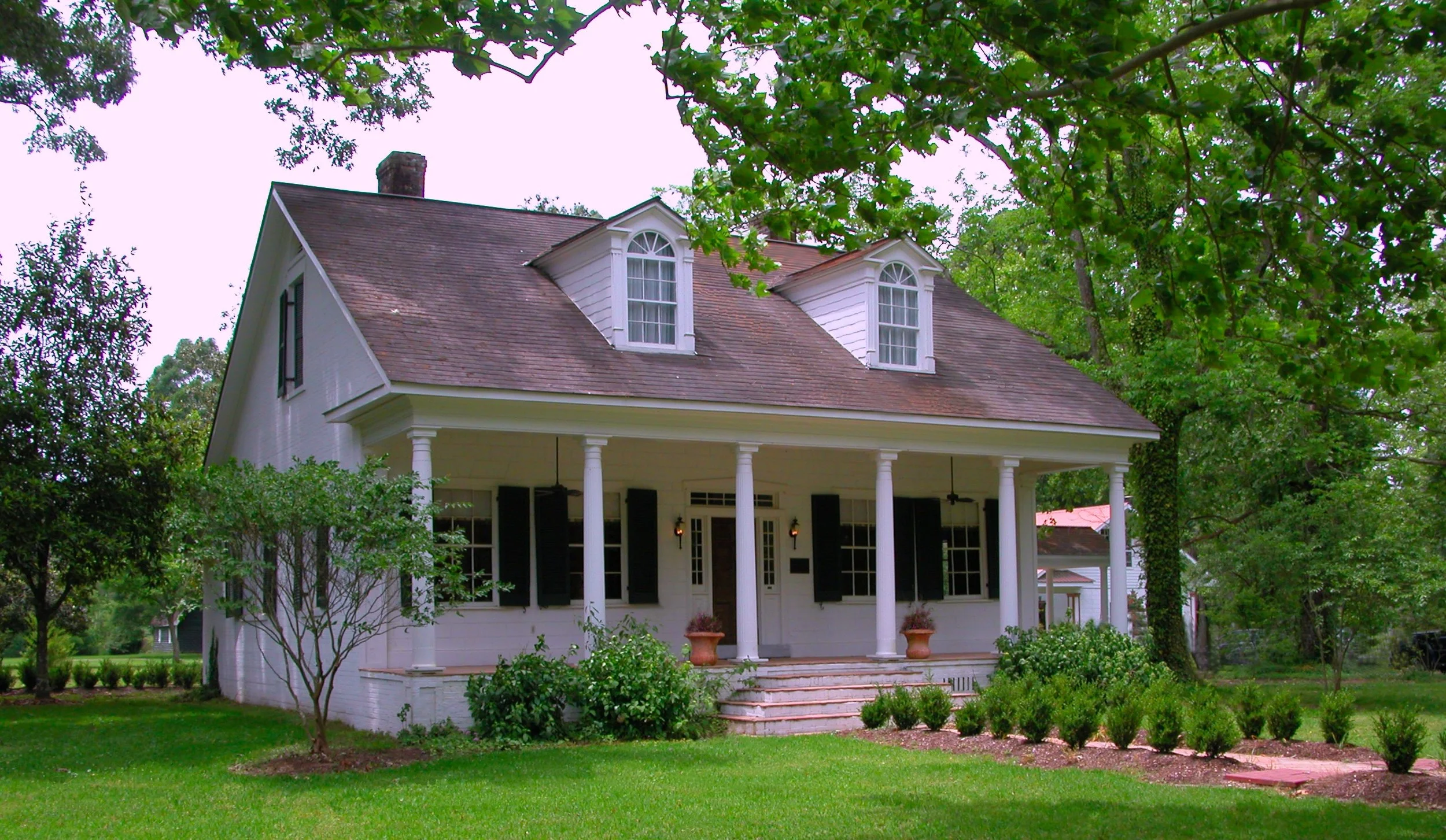
By that same year, Freeman had completed the construction of a refined Federal-style raised plantation house, which he named “Sycamore.” He lived there with his wife, Isabella, and their five children until 1838, when he sold the house and surrounding land.
Thomas Freeman and the Founding of Sycamore
According to the 1870 United States Census, Thomas Freeman was born in Louisiana around 1811. His household included family members Levi, Tom, Indiana, Jane, Hammond, and Dicy Freeman. During the Civil War, Freeman served as a Private in Company E of the 32nd United States Colored Infantry Regiment, a unit organized at Camp William Penn, Pennsylvania, in March 1864. He mustered into service on February 26, 1864, and was honorably discharged on August 22, 1865. After his death, Isabella Freeman filed for a widow’s pension on August 1, 1890.
In 1838, the plantation was purchased by William Lee Breed, whose family had migrated to Louisiana from the northeastern United States, traveling down the East Coast and through Georgia. Breed was born in 1803 during this journey, and his family eventually settled along the Tickfaw River, with land claims recorded as early as 1806.
Breed married Rachel Tregg Moore in 1824, and together they had three children. A prominent civic figure, Breed served as a Colonel in the Militia, operated a brick yard, and owned the Rome Ferry on the Tickfaw River. When Livingston Parish was established in 1832, he was appointed its first Sheriff. He later served as a State Representative beginning in 1835.
William Lee Breed: Expansion and Public Service
William Lee Breed lived at the plantation until his death on November 7, 1843. The location of his burial remains unknown.
The Richardson and Carter Families
Following Breed’s death, George Richardson acquired Sycamore Plantation in 1856. Born in 1795, Richardson arrived in Louisiana from Georgia around 1819 with members of his family. That same year, he married Margaret Eliza Hamilton, daughter of Mathew Hamilton. Together, they had nine children.
Margaret Richardson died in 1836 and is believed to be buried in St. Helena Parish. George Richardson passed away on the morning of May 14, 1858, at Carter Plantation, then the residence of his son-in-law, Marcus Tullius Carter. He was laid to rest in the Carter Cemetery, located near the plantation house.
Richardson’s daughter Amanda Richardson married Marcus Tullius Carter in 1855. Marcus Carter, born in 1828 in East Feliciana Parish, was a respected lawyer, judge, and district attorney. Amanda, born in 1830 near Ponchatoula, and Marcus had six children. Marcus Carter died in 1884, and Amanda passed away at Carter Plantation in 1913. It is through their descendants that the plantation came to be known as Carter Plantation.
Architectural and Historical Significance
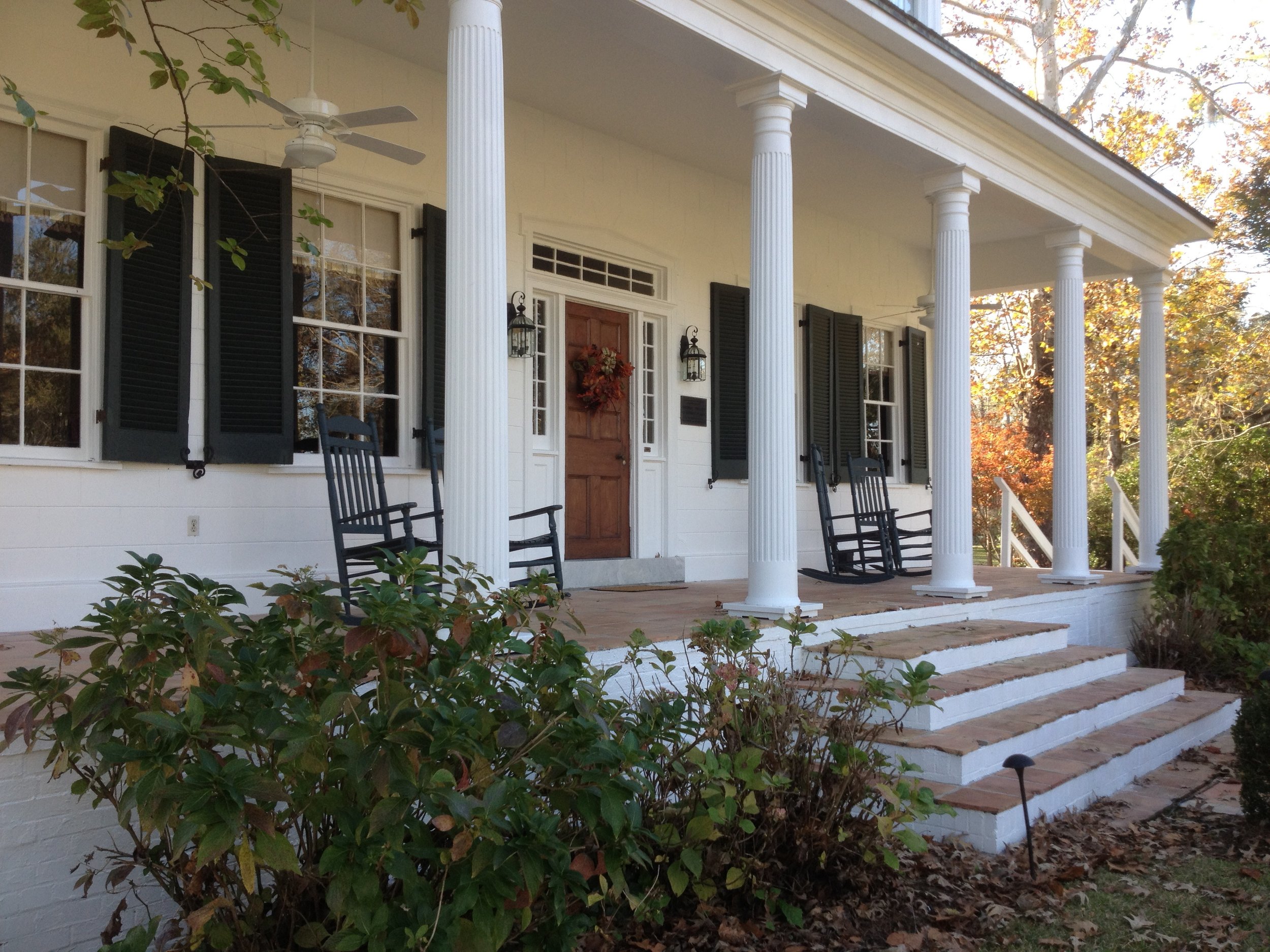
The Carter Plantation House is listed on the National Register of Historic Places and holds particular significance in African American history. The home represents a middle-class raised plantation house, featuring a floor plan similar to the traditional “dog-trot” style common in the region.
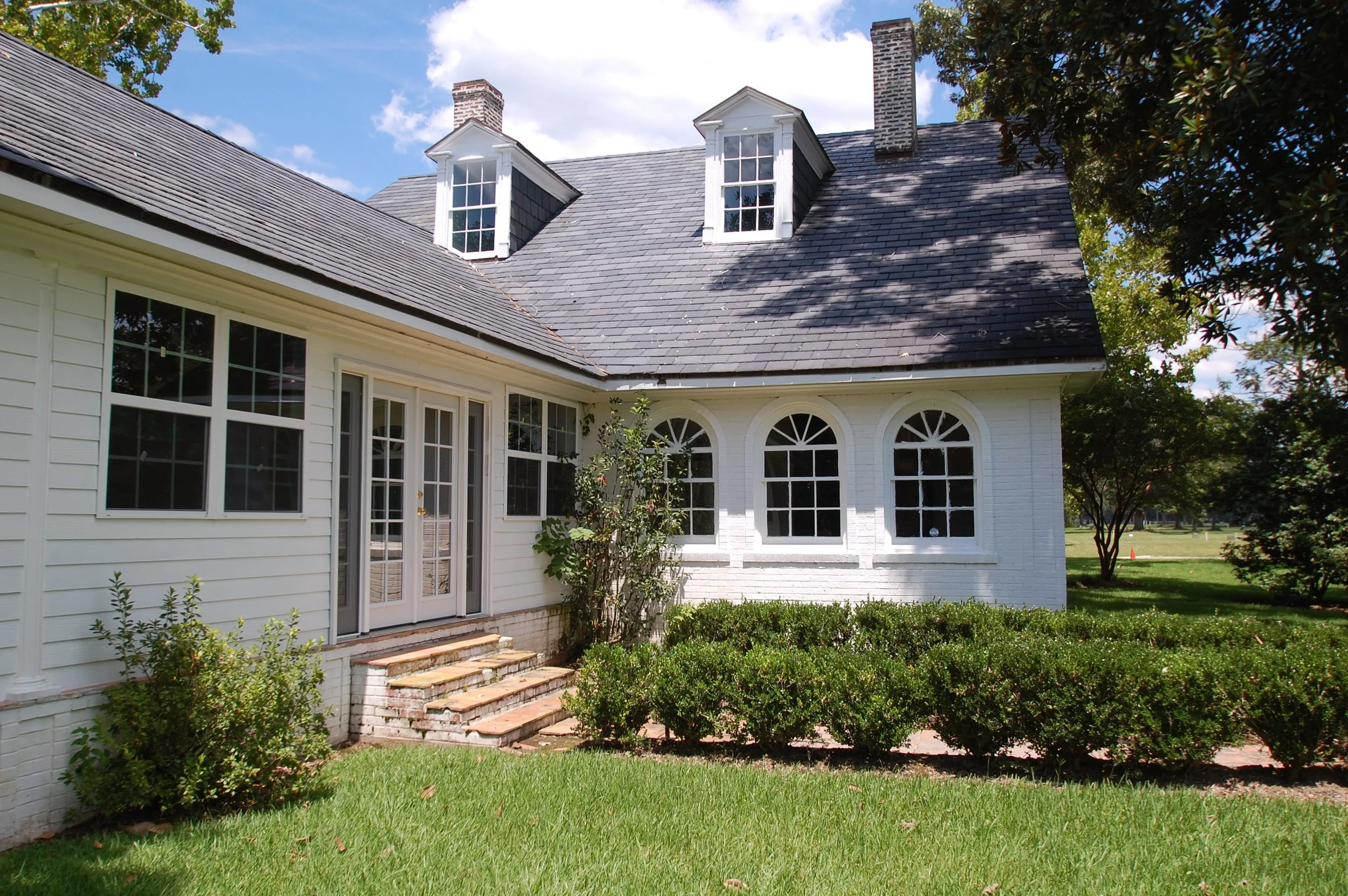
The original detached kitchen and dining room were destroyed by fire in the late 1880s, and the current kitchen and dining areas were later added. The house underwent extensive restoration during the 1970s and 1980s, led by Wiley H. Sharp, Jr. and his sister, Beverly Sharp Burgess, preserving its architectural integrity and historical legacy.